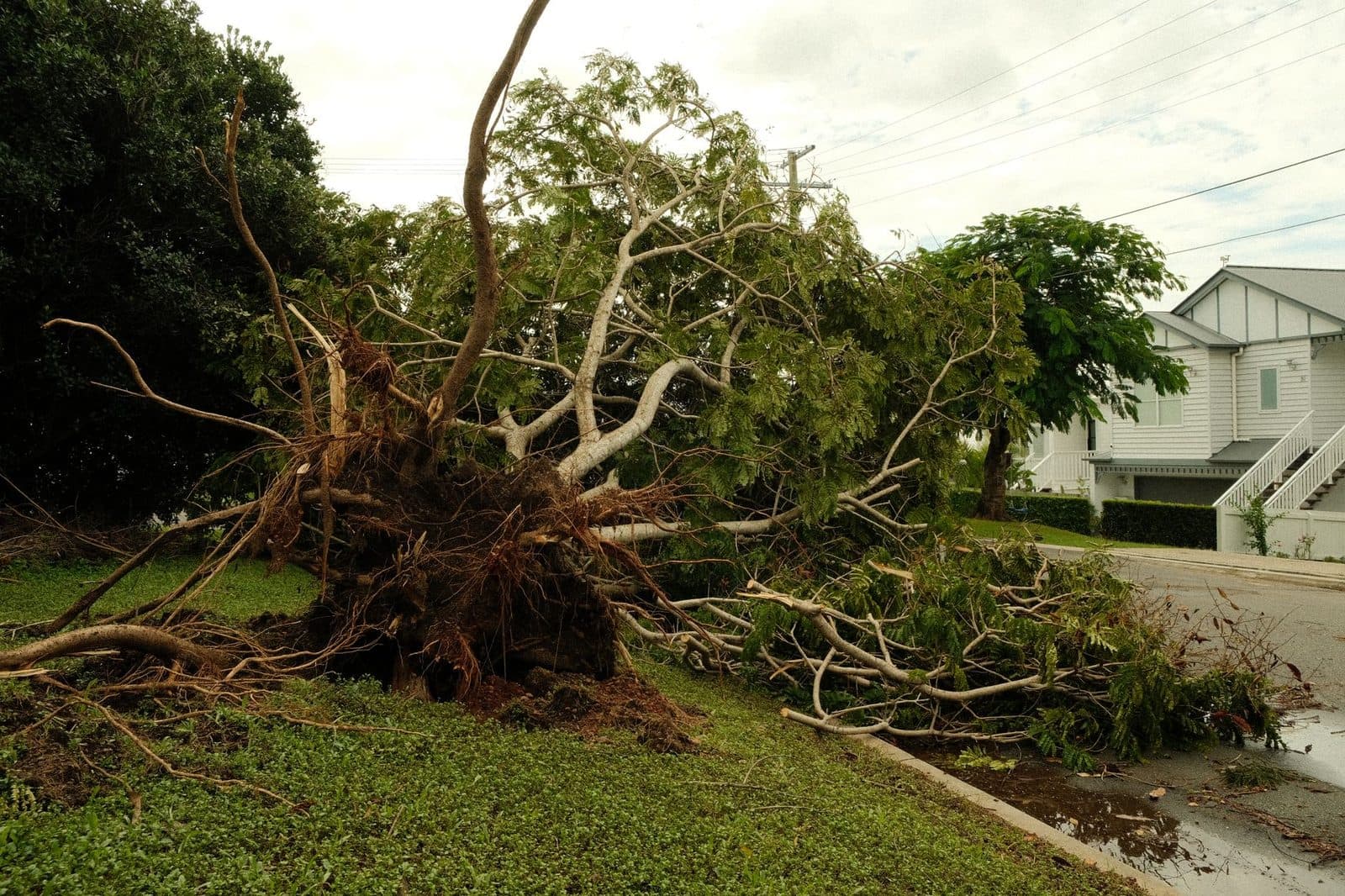
After a storm, two kinds of contractors show up. The first is the local company that has worked your area for fifteen years and is now buried in calls. The second drove in from out of state yesterday, is knocking doors before the roads are clear, and will be gone before your warranty matters.
Telling them apart under pressure is genuinely hard — you're stressed, the roof is leaking, and someone is standing on your porch offering to handle everything. Here's the sequence that keeps you out of trouble.
The first 48 hours
Document before you clean up
Photograph and video everything from multiple angles, including the date. Do it before anyone touches anything. This is the single most valuable thing you can do in the first hour.
Make temporary repairs — and keep the receipts
You're generally required to prevent further damage: tarp the roof, get standing water out. Save every receipt. What you're not required to do is authorize permanent repairs before your insurer has seen it.
Call your insurance company yourself
You, not a contractor, should be the one to open the claim. Florida's own consumer guidance is explicit on this point. Once someone else inserts themselves between you and your insurer, your options narrow fast.
The offers that are actually illegal in Florida
This is the part most homeowners don't know, and it turns a vague bad feeling into a clear line. Florida Statute 489.147 spells out what a contractor may not do.
- They may not offer you a rebate, gift, gift card, cash, coupon, or anything else of value in exchange for letting them inspect your roof or for filing a roof damage claim.
- They may not offer to waive, absorb, pay, or rebate your insurance deductible. Doing that knowingly, with intent to defraud, is third-degree felony insurance fraud — for them, and potentially for you as a participant.
- They may not interpret your policy, advise you on your coverage, or adjust your claim on your behalf, unless they are also a licensed public adjuster.
- Advertising that pushes you to file a roof claim must carry specific disclosures in a legible font, including that you are responsible for your deductible.
"We'll cover your deductible" is not a discount. It is the single clearest signal that the person on your porch is willing to commit fraud — and you're the one whose name is on the claim.
Two pieces of paper to read very carefully
The assignment of benefits
An assignment of benefits, or AOB, hands your insurance claim rights to a contractor so they can deal with your insurer and get paid directly. It sounds like convenience. In practice it can leave you a spectator in a lawsuit between two companies over your own house.
Here's what changed, and why it matters right now: under Senate Bill 2-A, Florida prohibited assigning post-loss benefits under residential and commercial property policies issued or renewed on or after January 1, 2023. For nearly every Florida homeowner today, an AOB is no longer something you can validly sign.
Which makes it a useful test. If a contractor in 2026 slides an assignment of benefits across your kitchen table, either they don't know current Florida law or they're counting on you not knowing it. Neither is who you want on your roof. If you hold an older policy where an AOB still applies, you have a statutory right to cancel it in writing within defined windows — and the agreement cannot charge you a penalty or fee for doing so.
The roofing contract itself
A contract to repair or replace a roof must include written notice of those prohibited practices. If that notice isn't in there, you may void the contract within ten days of signing it. Look for it before you sign — its absence tells you plenty about how the company operates.
Also watch for a contingency agreement that binds you to whatever the insurance company approves, with a cancellation penalty attached. That's a contract with your signature and no price on it.
The three calls worth making first
- Your insurer — open the claim yourself and get a claim number and adjuster contact.
- Your state license lookup — verify the license is active, in the company's name, and covers roofing. Storm season is when unlicensed operators travel.
- One local contractor you can find a year from now — someone with a real address in your county, a history of reviews, and work you can go look at.
The quiet test that works
Ask where their office is and how long they've been there. Then ask who handles a warranty claim in three years. A local company answers both without thinking. A crew working the storm circuit will change the subject to how fast they can start.
There is no emergency that requires signing something today. The roof is already damaged; it will still be damaged tomorrow after a tarp goes on. Anyone telling you the offer expires tonight is telling you something important about themselves.
Peak Atlantic hurricane season runs August through October, and that's when out-of-area crews arrive. The best protection is deciding who you'd call before you need them.