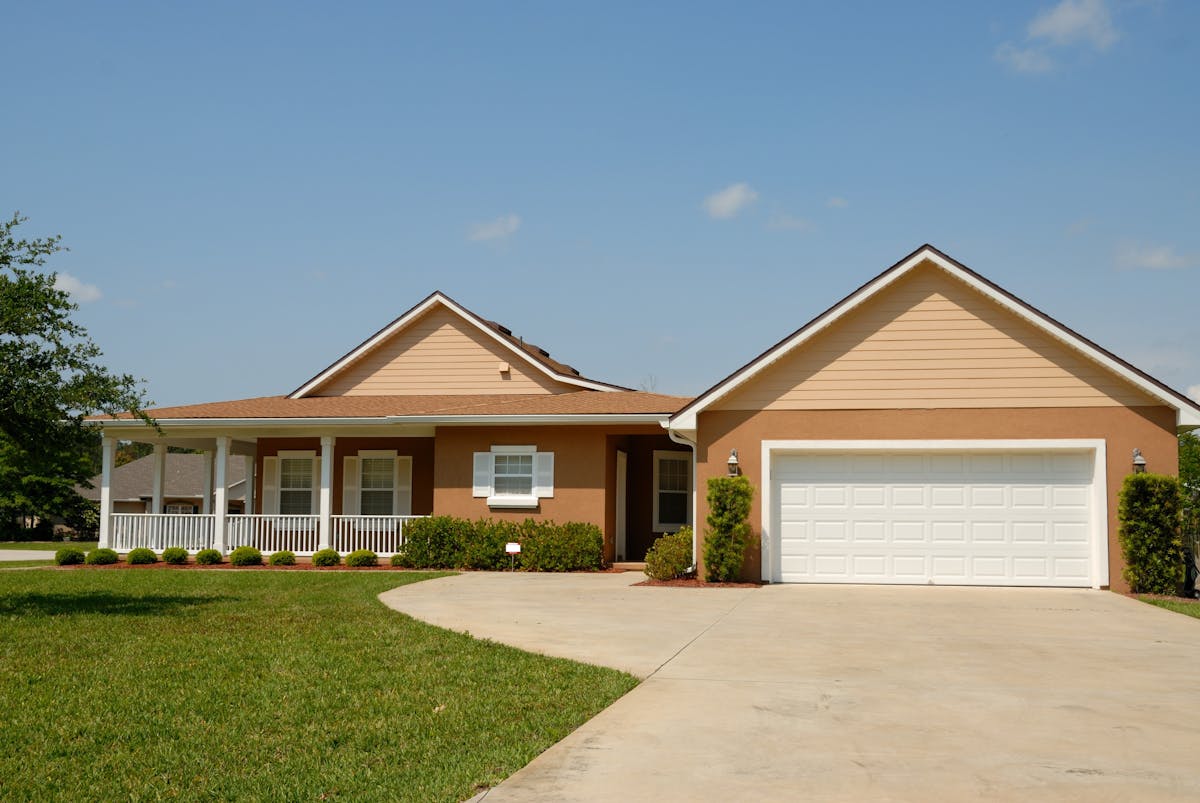
Driveways & walkways.
Standard residential driveway is 4 inches of 4,000 PSI concrete on 4 inches of compacted limerock base, with #4 rebar at 18-inch centers. Joint cuts every 10-12 feet (one-third the slab depth) within 6-18 hours of the pour, depending on temperature. Cure for 7 days before parking, 28 days before parking heavy.
Where most contractors cut corners: subgrade compaction (we plate-compact in 2-inch lifts and density-test on jobs over 1,000 sq ft), reinforcement (we use rebar on chairs, not "fiber mesh and pray"), and joint timing (we schedule the saw cut as a separate visit timed to the pour). The combination is what keeps the slab integral when Florida sandy soil shifts under it.
- 4" 4,000 PSI concrete
- 4" compacted limerock
- #4 rebar @ 18" centers
- Density-tested subgrade
- Saw-cut control joints
- 5-year warranty in writing
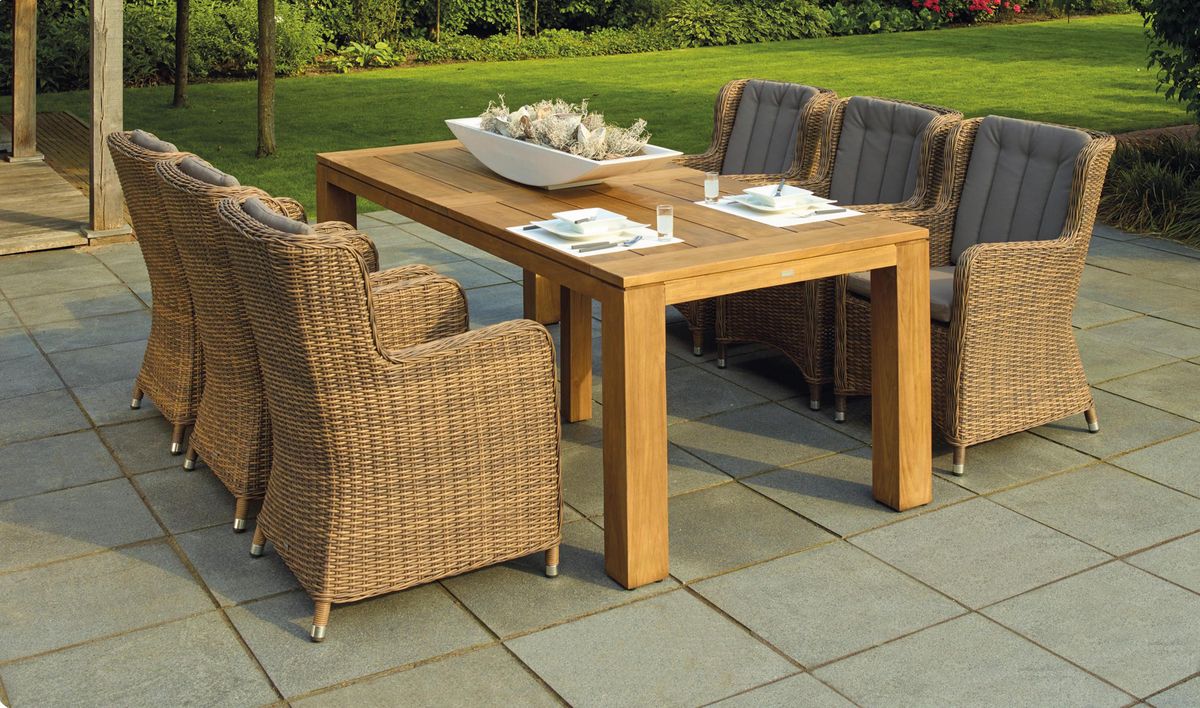
Patios & pool decks.
Pool decks are unforgiving. Wrong drainage slope and water pools where it shouldn't. Wrong joint pattern and you get cracks across the visible face within two seasons. Wrong texture and bare feet slip. We engineer the slope (1/8 inch per foot away from the pool, no exceptions), set expansion joints at every change of plane and perimeter, and broom-finish or salt-finish for traction.
Patio sizes from 200 sq ft (back-door grilling pad) to 1,800 sq ft (full outdoor living build). Stamped, stained, exposed aggregate, sand-finished, broom-finished — most finishes available. We pour, we finish, we cut joints, we seal. One crew, one pour, one continuous slab.
- Engineered drainage slope
- Perimeter expansion joints
- Slip-resistant finish
- Stamped & stained options
- Pool-coping integration
- UV-stable sealer applied

Retaining walls.
Block or poured.
Walls under 4 feet are decorative or grade-transition — generally don't need engineering. Walls over 4 feet are structural and require engineered drawings, geogrid reinforcement, drainage pipe behind the wall, and proper backfill. We do both. The mistake we see most often is residential builders treating a 6-foot retaining wall like a 3-foot one — and the wall starts leaning within five years.
Block walls (Allan Block, Versa-Lok) for landscape grade transitions. Poured concrete with rebar for taller structural walls and pool perimeter walls. Both get drainage detail behind the wall, weep holes through the face, and properly compacted backfill — the part nobody sees but everything depends on.
- Block (Allan/Versa-Lok)
- Poured reinforced concrete
- Engineered drainage
- Geogrid reinforcement
- Backfill compaction
- Engineered drawings 4ft+
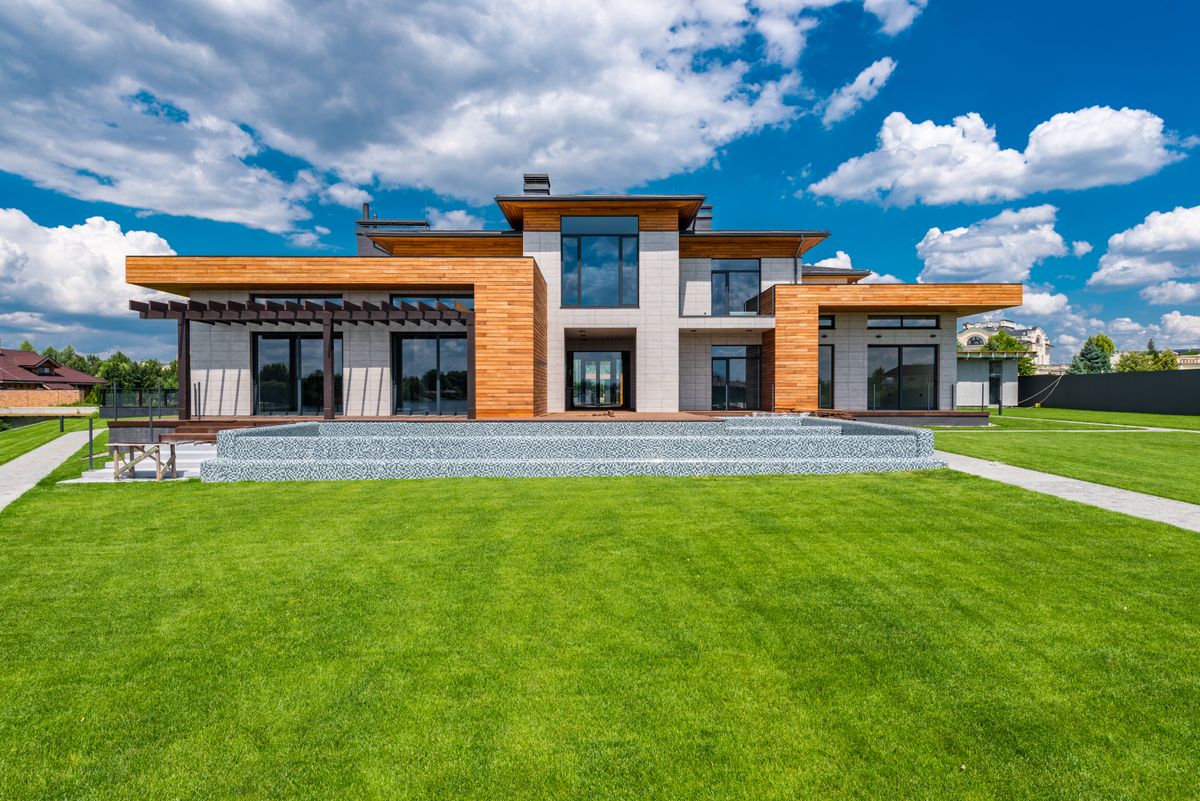
Decorative concrete.
Stamped concrete (looks like brick, slate, flagstone, cobblestone — pour once, save the cost of laying real stone). Acid-stained concrete (color penetrates the surface, doesn't sit on top — won't peel like paint). Polished concrete (interior floors, retail, garage spaces — diamond-ground to a satin or mirror finish). Exposed aggregate (poured slab, surface washed back to expose decorative aggregate).
The difference between an okay stamped patio and a great one is timing. Stamping has to happen at exactly the right moment in the cure window — too early and the impressions blur, too late and they're shallow. Lazaro is our finisher who does almost all the stamped work. He's been doing it for nineteen years.
- Stamped patterns (40+)
- Acid & water-based stain
- Polished interior floors
- Exposed aggregate
- Saw-cut tile patterns
- UV-stable sealer applied
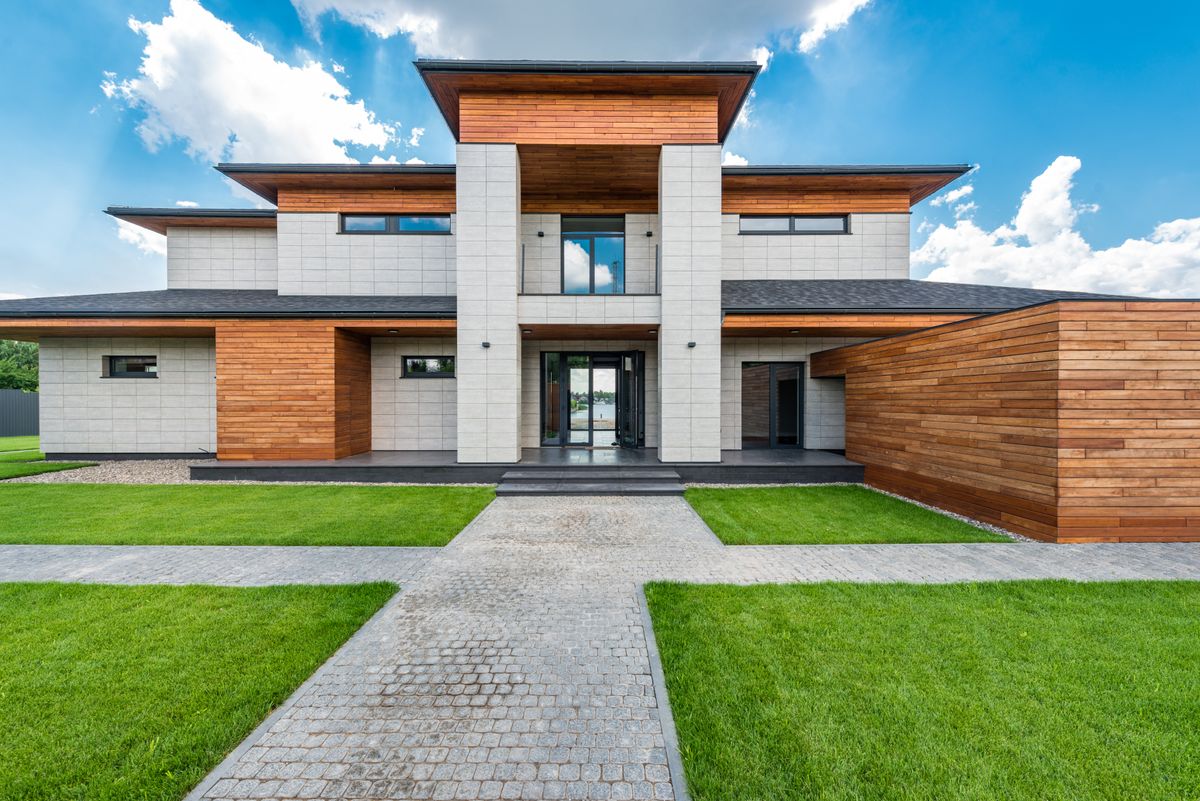
Paver hardscape.
Pavers are different from poured concrete in one important way: they can move without cracking. The base under the pavers (4 inches of compacted aggregate, then 1 inch of bedding sand) is the structural element — pavers themselves are the wear surface. Done right, a paver driveway lasts longer than poured concrete because the base flexes with the soil.
Done wrong, pavers are the worst possible choice — the surface ripples, the joints fill with weeds, the whole thing has to be lifted and re-bedded within five years. The base preparation is everything. We compact in 2-inch lifts, use polymeric joint sand (locks the joints, blocks weed growth), and edge-restrain with concrete or steel — not plastic.
- 4" compacted aggregate base
- 1" bedding sand
- Polymeric joint sand
- Concrete edge restraint
- ICPI install standards
- Permeable pavers available
Repair & resurface.
Cracks happen. The question is whether the crack is structural (subgrade failure, freeze-thaw damage in older concrete, tree-root pressure) or cosmetic (shrinkage hairlines, isolated impact damage). Our first visit is diagnostic — we'll tell you which one you have and whether resurface is even worth it. Sometimes the honest answer is "tear out, repour."
For cosmetic damage we offer microtopping (1/8" overlay that bonds to existing concrete), epoxy crack injection (structural repair on hairline cracks), and slabjacking (raising sunken slabs by injecting polyurethane underneath — much less expensive than tear-out for sunken-but-otherwise-sound slabs).
- Diagnostic visit first
- Microtopping overlay
- Epoxy crack injection
- Slabjacking (poly foam)
- Joint resealing
- Honest tear-out call